Simple Lifestyle Changes That Can Help Prevent Cancer
Cancer remains one of the leading causes of illness and death worldwide, affecting millions of lives every year. In 2022, nearly 20 million new cancer cases were reported globally, highlighting the importance of understanding how lifestyle choices impact risk.
Research shows that a significant portion of cancer cases could be prevented through manageable changes in daily habits, public health strategies, and early interventions.
A recent study published in Nature Medicine examined 36 types of cancer across 185 countries. Researchers found that almost 40% of new cancer cases worldwide are linked to factors that can be modified. These include behaviors, infections, environmental exposures, and occupational hazards. Identifying these triggers is essential for creating prevention strategies tailored to different regions and populations.
The study analyzed 30 risk factors and how their prevalence a decade earlier contributed to the development of cancer. Some risks occur simultaneously, influencing the overall likelihood of disease.
This detailed approach helps in understanding which changes can have the greatest impact on reducing cancer rates.
Risk Factors and Preventable Cases
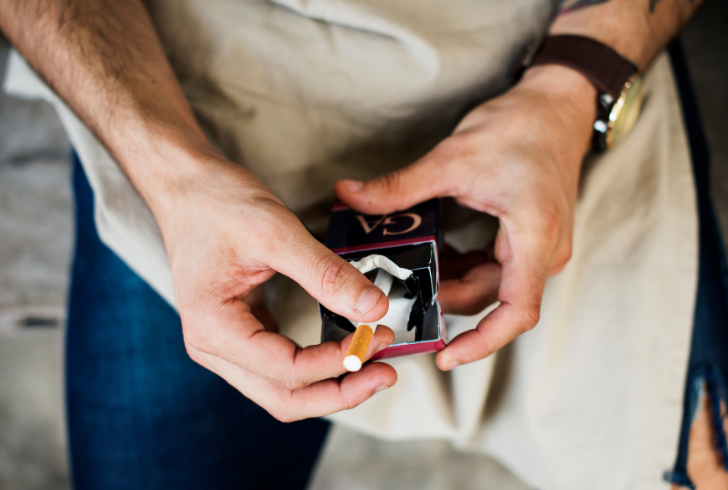
Freepik | Smoking triggers 15.1% of cancers and remains the top avoidable risk factor.
Of the 18.7 million cancer cases identified in 2022, an estimated 7.1 million were associated with modifiable risks. The primary drivers included:
Tobacco smoking – Linked to 15.1% of cases, it remains the largest preventable cause.
Infections – Responsible for 10.2%, including HPV and Helicobacter pylori infections.
Alcohol use – Connected to 3.2% of cases, particularly cancers of the liver and upper digestive tract.
Nearly half of preventable cancers involved the lung, stomach, or cervix, highlighting where focused prevention could have the greatest impact.
Gender Differences in Risk
Women were more affected by infection-related cancers, with infections accounting for 11.5% of female cases. In men, smoking stood out sharply, contributing to 23.1% of cases.
These patterns suggest prevention campaigns should be tailored, combining vaccination programs with targeted tobacco control.
Steps to Reduce Cancer Risk

Freepik | Researchers found that almost 40% of new cancer cases worldwide are linked to factors that can be modified.
Practical measures include:
- Eliminating tobacco use.
- Getting vaccinated against HPV and other relevant infections.
- Moderating alcohol intake.
- Participating in recommended screenings.
Researchers stress that prevention is not theoretical—it is actionable. Lifestyle adjustments today can significantly ease the global cancer burden in the years ahead.